Why we made GS Road a one-way between 5pm and 8pm
The data behind the decision — peak-hour throughput, side-street spillover, and the three things we're watching to know whether to keep it.
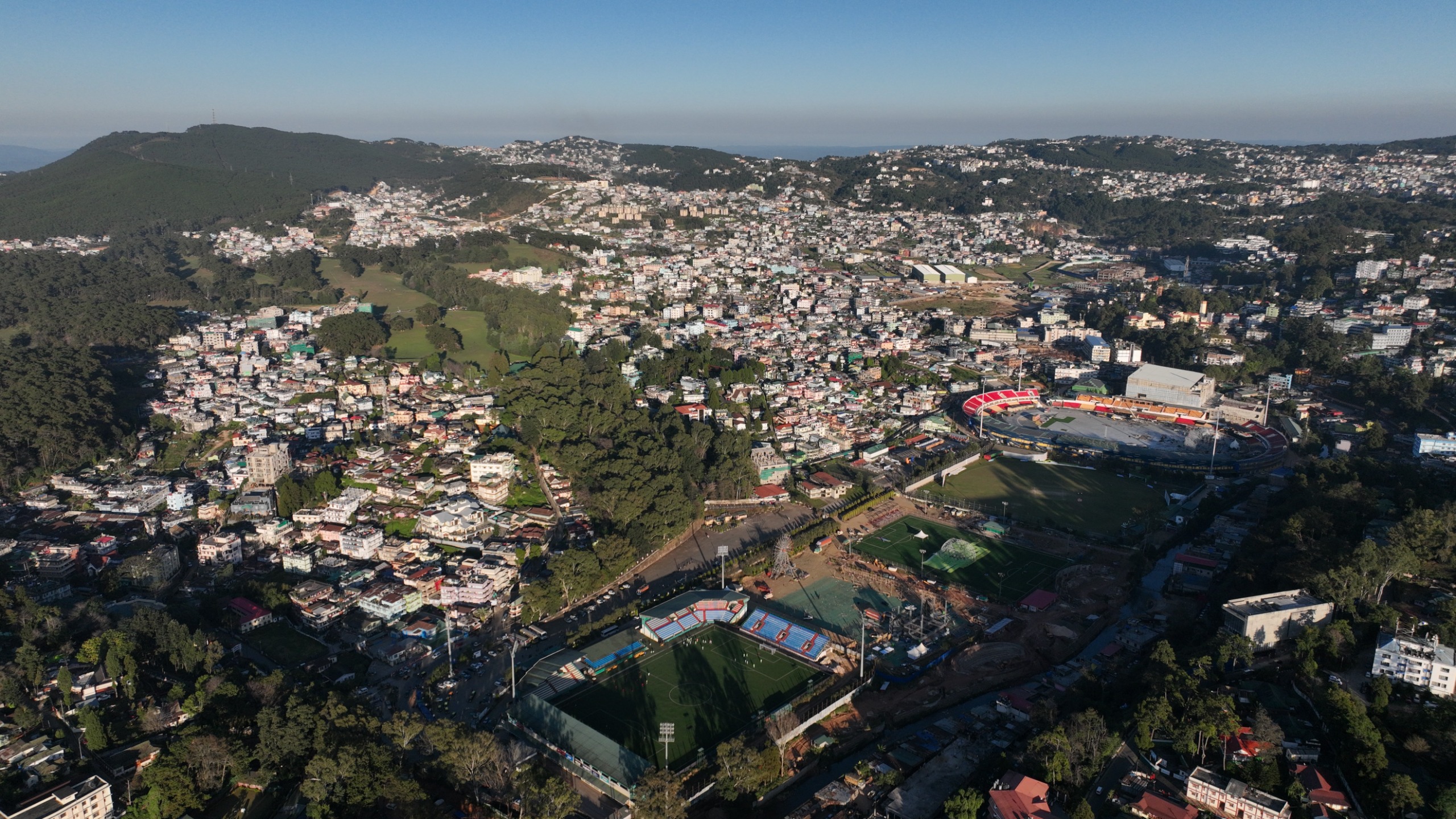
Three weeks ago, after a public consultation that ran for six weeks and a board approval that took another two, we made GS Road a one-way southbound between 17:00 and 20:00 daily. This note explains the reasoning, because we owe it to the public.
The problem
The GS Road corridor between Polo Tower and Don Bosco Square is 2.6 kilometres long and serves five wards. In our 2025 cordon counts, average evening-peak throughput was 1,100 vehicles per hour southbound and 740 northbound. That asymmetry has been growing for four years.
What that meant on the ground: northbound traffic was waiting longer than it should at every intersection, while southbound traffic was overflowing the queues and spilling into Keating Road, Quinton, and the smaller lanes off Police Bazaar.
What the engine showed
Our engine — TraffiCure — gives us per-segment speeds at five-minute intervals. We looked at four typical Wednesdays. The picture was consistent: between 17:30 and 19:00, southbound speeds collapsed below 8 km/h on the GS Road segments, while side-street speeds collapsed too. The corridor wasn't moving anyone.
What we tried
We modelled three options. A signal-only solution. A peak-hour bus lane. And the time-of-day one-way. The model and a small physical pilot suggested the one-way would shift between 12% and 18% of the southbound demand to the bypass, and recover roughly 22% of side-street capacity.
What we're watching
Three things, week on week:
It's been three weeks. Side-street speeds are up 14%. Bypass speeds are down 4% — within tolerance. Bus reliability is up 6 percentage points. We'll publish weekly.
If you have a view, the public dashboard at /data has the underlying numbers. Comments at /plan/p-004 reach the same team that designed this.
— S. Lyngdoh, IAS